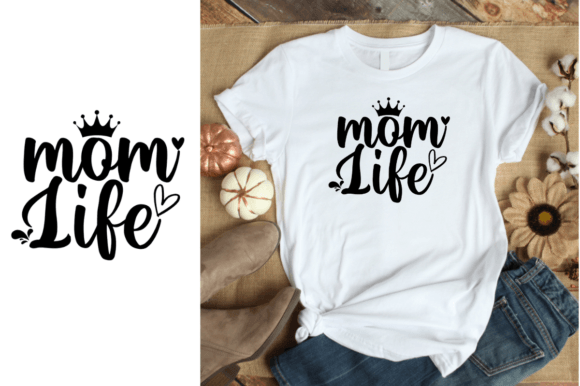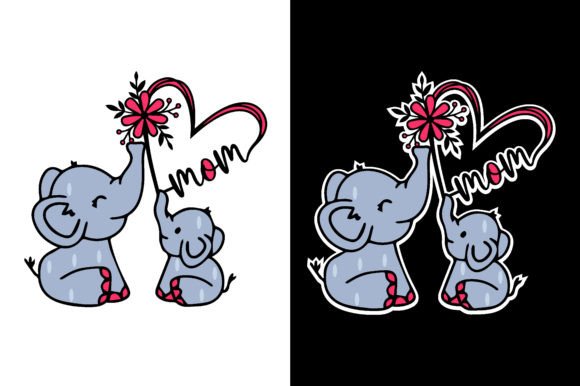
Bear Mom and Baby Mother s Day Graphics and T-Shirt Designs Review
In the world of digital publishing, the difference between a scroll-past and a click-through is often visual. As a blog designer who has spent years optimizing content for readability, engagement, and conversion, I approach every graphic design asset with a critical eye. We are not just decorating pages; we are building trust, establishing brand identity, and guiding the user journey. Recently, I evaluated a seasonal asset titled "Bear Mom and Baby Mother s Day" to determine its viability for real-world editorial use, affiliate marketing campaigns, and small business branding.
This review breaks down how this specific design asset fits into a modern publishing workflow, particularly for lifestyle bloggers, parenting educators, and creators looking to capitalize on the Mother’s Day traffic spike. While marketed under T-Shirt Designs, its application extends far beyond apparel, serving as a versatile tool for web design and content marketing.
The First Impression: Editorial Mood and Visual Identity
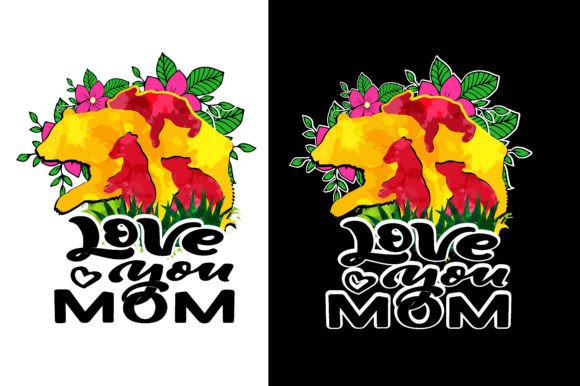
When you first load "Bear Mom and Baby Mother s Day," the immediate takeaway is its emotional resonance. The design leverages the universal appeal of bear imagery—soft, protective, and nurturing—to evoke a sense of warmth and maternal love. For a publisher, this is crucial. In an era where users scan content rapidly, an image that communicates "comfort" and "family" instantly lowers cognitive load and invites engagement.
Mother’s Day is an annual holiday celebrated in the United States on the second Sunday in May. It recognizes mothers, motherhood and maternal bonds, creating a massive window for content distribution. This graphic captures that sentiment without being overly cliché. It feels playful yet sincere, striking a balance that works well for lifestyle-focused niches. Whether you are running a parenting blog, a family travel site, or a creative marketplace store, the aesthetic aligns with a modern, clean, yet decorative style that appeals to a predominantly female demographic interested in family-centric topics.
The visual hierarchy of the asset is strong. The central figure (the bear mom) draws the eye immediately, while secondary elements provide context without cluttering the composition. This clarity is essential for blog graphics where space is limited, such as in sidebar widgets or mobile feeds.
Integrating the Asset into Your Publishing Workflow
A common mistake publishers make is treating design assets as static images. However, high-performing content strategies require adaptability. Here is how "Bear Mom and Baby Mother s Day" can be integrated into various stages of your content production pipeline:
- Blog Featured Images: Use the full-resolution graphic as the primary thumbnail for articles about gift guides, parenting tips, or heartfelt essays. Its warm tones stand out against standard white or light gray blog backgrounds.
- Pinterest Pins: Pinterest is a visual search engine. This asset provides an excellent base layer. You can overlay text like "Best Gifts for Bear Moms" or "5 Ways to Celebrate" using a bold sans-serif font to create clickable pins that drive traffic to your affiliate links.
- Newsletter Headers: Email open rates depend heavily on subject lines and preview text, but the header image reinforces brand recognition. Placing this graphic at the top of your monthly newsletter adds a seasonal touch that feels curated rather than generic.
- Digital Guides and Lead Magnets: If you are creating a downloadable PDF, such as a "Mother’s Day Activity Checklist" or a "Self-Care Guide for Moms," this graphic serves as an attractive cover page. It elevates the perceived value of the digital product, encouraging more downloads.
- Social Media Previews: For Instagram or Facebook posts, the graphic can be cropped to square or portrait formats. It maintains its integrity across aspect ratios, ensuring your feed looks cohesive during the holiday season.
Impact on Content Performance and Reader Trust
Why does this matter for your bottom line? Consistent, high-quality visuals directly influence reader trust and click-through potential. When a website looks polished, readers subconsciously assume the content inside is equally reliable. By using a professional-grade creative design asset like this, you signal that your brand pays attention to detail.
Furthermore, this asset supports stronger visual identity. If your brand uses earthy tones, soft pastels, or whimsical illustrations, this bear-themed graphic likely complements your existing color palette. This consistency aids in category recognition. Over time, when a visitor sees that specific bear illustration, they will associate it with your unique voice, increasing loyalty and return visits.
For affiliate marketers, the emotional connection is key. People buy gifts for loved ones based on emotion, not logic. A graphic that evokes tenderness and pride makes the call-to-action feel natural rather than salesy. It transforms a transactional moment into a shared experience, which is the cornerstone of effective affiliate marketing.
Strategic Placement: Where It Shines
To maximize the utility of "Bear Mom and Baby Mother s Day," consider these optimal placement zones:
- Hero Images: Large banners at the top of landing pages benefit from the graphic’s detailed texture and emotional weight.
- Editorial Accents: Use smaller crops of the design as bullet points or section dividers within long-form articles to break up text.
- Content Upgrades: Offer exclusive printables derived from this design as incentives for email signups.
- Media Kits: Include the graphic in your media kit to demonstrate your ability to produce on-brand, seasonal content for sponsors.
Cautions and Best Practices for Publishers
While this asset is versatile, it is not a one-size-fits-all solution. There are contexts where it may not perform well:
- Small Mobile Thumbnails: On very small screens, fine details in the illustration may become blurry or indistinct. Always test the graphic at 100x100 pixels to ensure legibility.
- Text-Heavy Blog Images: Avoid placing large blocks of text over the busy parts of the design. Maintain ample negative space to preserve readability.
- Low-Contrast Backgrounds: Ensure the graphic pops against your background. If your site has a dark theme, verify that the light colors in the bear illustration remain visible.
- Busy Layouts: Do not pair this graphic with other highly decorative elements. Let it be the focal point.
- Serious Professional Niches: If you run a corporate finance blog or a legal advice site, this playful tone may clash with your brand authority. Reserve it for lifestyle, family, and creative niches.
Practical Publisher Notes for Implementation
Before uploading this asset to your CMS, follow these technical checks to ensure web performance and legal compliance:
- Responsive Testing: View the graphic on desktop, tablet, and mobile devices. Check how it scales and whether it obscures important UI elements.
- Typography Pairing: Test headline fonts alongside the graphic. A clean sans-serif font often works best for modern designs, while a script font might enhance the feminine, soft vibe. Avoid pairing it with heavy display fonts that compete for attention.
- Contrast and Readability: Run the image through contrast checkers if you plan to overlay text. Accessibility is non-negotiable for inclusive publishing.
- File Size Optimization: Compress the image properly using tools like TinyPNG or Squoosh. Large files slow down page load times, which hurts SEO and user experience.
- Commercial Licensing: Confirm the commercial license terms before using this on monetized websites, affiliate pages, or paid content products. Ensure you have the right to use it for printable design purposes if you plan to offer physical or digital goods.
In conclusion, "Bear Mom and Baby Mother s Day" is more than just a graphic design asset; it is a strategic tool for seasonal content marketing. By integrating it thoughtfully into your editorial design strategy, you can enhance your brand identity, boost engagement, and connect more deeply with your audience during one of the year's most significant holidays. For designers and publishers alike, it represents a smart investment in visual storytelling.