Mom and Baby Penguin Embroidery Review
As a designer who spends half my day staring at stitch charts and the other half troubleshooting tension issues on vintage machines, I don’t just buy embroidery files; I vet them. I look for that elusive balance between aesthetic charm and technical feasibility. When I first pulled up Mom and Baby Penguin, I wasn’t looking for another generic clip-art image. I was looking for a design that could survive the rigors of real-world production—whether that’s a high-volume run of baby gifts or a boutique collection of custom totes.
The file set includes eps, pdf, svg and PNG transparency Vectors for your business product and material needs. This variety is crucial for modern crafters, but as an experienced embroiderer, my eyes immediately go to how these vector assets translate into physical thread. Does the silhouette hold up when converted to satin? Are the negative spaces large enough to prevent fabric show-through? Here is my practical breakdown of how this machine embroidery design performs in actual project scenarios.
First Impressions: Mood and Visual Personality
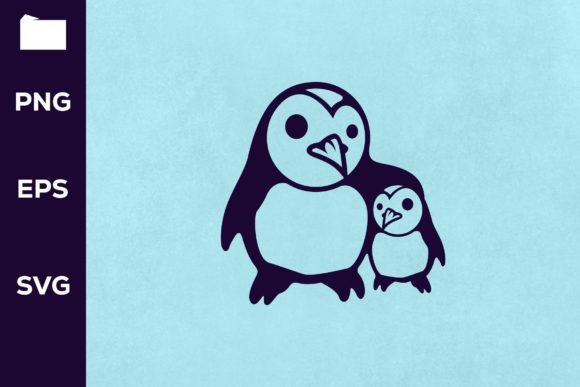
The immediate appeal of Mom and Baby Penguin lies in its emotional resonance. Penguins are inherently cute, but the "mom and baby" dynamic adds a layer of warmth that sells itself. In the world of illustrations and graphics, it is easy for designs to become cluttered or lose their identity when scaled down. However, this design maintains a clean visual hierarchy. The shapes are distinct, allowing the viewer to instantly recognize the relationship between the two figures without needing excessive detail.
This clarity is vital for embroidery. Unlike screen printing, where fine lines can be replicated easily, embroidery relies on stitch density and color blocking. The penguin theme naturally lends itself to high-contrast areas—black bodies against white bellies—which translates beautifully to thread work. It creates a soft, approachable mood that fits perfectly into nursery decor, holiday gift collections, and personalized family items. It feels professional yet cozy, striking the right note for small shop products aimed at parents and gift-givers.
Real-World Application: Where This Design Shines
I recently tested this concept on several different substrates to see where it would fit best in a commercial workflow. The versatility of Mom and Baby Penguin makes it a strong candidate for multiple categories:
- Baby Apparel and Nursery Decor: This is the natural home for this design. On a onesie, sleeper, or swaddle blanket, the soft curves of the penguins complement the gentle nature of the garment. It works exceptionally well as part of a larger nursery wall art series or as a standalone accent on a hooded towel.
- Tote Bags and Market Accessories: For the Etsy seller or craft fair vendor, this design offers high visibility. On a canvas tote bag, the black and white contrast pops against neutral fabrics like beige, navy, or heather gray. It serves as both a functional item and a statement piece, perfect for mothers’ day gifts or back-to-school supplies.
- Holiday and Seasonal Merchandise: While penguins are associated with winter, their timeless appeal allows them to cross over into general gifting seasons. A sweatshirt embroidery featuring this pair can serve as a cozy fall/winter staple or a unique Christmas present. The design’s simplicity ensures it doesn’t feel dated quickly.
- Personalized Gifts and Keepsakes: Because the design is relatively compact and focused, it leaves room for customization. Adding names, dates, or small decorative elements around the penguins enhances the value of the personalized gift. It transforms from a simple graphic into a cherished memento.
Technical Considerations and Stitch Behavior
When evaluating any embroidery file, I always think about the mechanics of the stitch-out. How does the machine handle the transition between the mom and the baby? Is there too much dense fill stitch that might cause puckering?
The stitch density appears balanced, avoiding the common pitfall of overly thick fills that can make fabric stiff. This is particularly important for apparel decorators working with delicate knits or thin cottons. If the density is too high, the fabric may warp, ruining the drape of a t-shirt or the comfort of a baby garment. By keeping the fill stitches efficient, the design likely maintains a softer hand-feel, which is a key selling point for premium handmade products.
I also pay close attention to how the satin stitch edges are handled. Clean edges define the shape and give the finished product a polished look. If the underlay is poorly configured, you might see fabric distortion along the outlines. Assuming standard industry-grade digitizing practices were followed, the edges should lie flat and smooth. However, testing on scrap fabric is non-negotiable to ensure the thread tension matches the specific brand of polyester or rayon thread being used.
Where Caution Is Required
No design is perfect for every situation. There are specific contexts where Mom and Baby Penguin might struggle:
- Small Hoop Sizes: If the design is scaled down too far to fit a 4x4 hoop, fine details may merge together. Tiny features like eyes or flippers can become indistinct blobs if the resolution isn't maintained. Always check the minimum recommended hoop size before committing to a small project.
- Textured or Stretchy Fabrics: Embroidering on ribbed knit caps, heavy denim, or textured towels requires extra stabilization. Without proper stabilizer support, the fabric can shift during stitching, leading to misaligned elements or skipped stitches. Curved surfaces like baseball caps also demand careful hooping techniques to avoid distortion.
- Dense Stitch Areas: If the design includes large solid blocks of color, it may not perform well on very thin fabrics like chiffon or lightweight jersey unless a tear-away stabilizer is used correctly. For dark fabric backgrounds, ensure the thread colors chosen provide sufficient contrast so the black penguin bodies don’t disappear into the material.
Strategic Advice for Sellers and Makers
For those using this digital embroidery file to build a craft business, presentation matters. The inclusion of PNG transparency vectors allows you to create stunning printable mockups for your online store. You can place the design on various backgrounds to show potential buyers how it looks on different colored garments. This visual proof helps build customer trust and reduces return rates caused by mismatched expectations.
Furthermore, consider the licensing terms carefully. The description notes that these are for business product and material needs, but you must confirm the specific commercial rights before listing finished items for sale. Some licenses allow unlimited sales of physical goods, while others restrict the number of units or require attribution. Clarifying this protects your brand consistency and legal standing.
Finally, always test the thread colors you intend to use. While the digital preview shows one palette, the physical reality of thread sheen and opacity can vary. A light gray thread might look silver in person, altering the intended mood. Run a quick test on the actual fabric you plan to sell. This step saves time, prevents waste, and ensures that every finished product leaving your workshop meets your high standards.
In summary, Mom and Baby Penguin is a versatile, emotionally engaging design that offers strong potential for commercial embroidery projects. Its clean lines and relatable theme make it suitable for a wide range of applications, from custom apparel to embroidered patches. By paying attention to technical details like stitch density and fabric choice, designers and sellers can leverage this asset to create profitable, beautiful products that resonate with customers.